
How to build financial independence through small everyday decisions?

30.04.2026.
How to build financial independence through small everyday decisions?
Financial independence is built through the decisions you make every day about money, spending, saving, and personal goals. It is not only about how much you earn, but how clearly you manage what you have and how well you direct your money toward things that bring you real value.
Every thoughtful decision can have a long-term effect. When you track expenses, plan larger purchases, regularly set aside money for your goals, and choose financial solutions according to your actual needs, you create a more stable relationship with money. This approach gives you more control, more room for plans, and better organization in everyday life.
What does financial independence mean?
Financial independence means managing your money in a planned, independent way and in line with your priorities. This includes the ability to cover regular obligations, plan larger expenses, set money aside for important goals, and make decisions that give you greater security.
In practice, financial independence means that:
-
you know how much you earn and spend each month
-
you have an overview of your regular obligations
-
you plan larger purchases in advance
-
you regularly set aside an amount for savings
-
you choose expenses that have real value
-
you use additional funds only for a clear purpose
-
you have a plan for personal, family, or business goals
The goal is not to live strictly according to a spreadsheet, but to have a clear enough system that helps you manage money more easily and make decisions that support your lifestyle.
Why do small financial decisions have a big impact?
Small decisions matter because they are repeated. Everyday purchases, subscriptions, food orders, installment payments, bill planning, or setting aside a smaller amount for savings may seem minor, but together they shape your entire monthly budget.
When you look at each decision through the question “does this help me achieve my goal?”, it becomes easier to recognize where your money has the greatest value. This does not mean you need to give up the things you enjoy, but that you allocate your money more consciously.
For example, if you want to furnish your home, buy a new laptop, or pay for education, you can adjust part of your everyday expenses toward that goal. This gives your money a clear purpose and gives you a better sense of control.
How to create a personal budget that supports your goals?
A personal budget should be simple, clear, and connected to your real life. The best budget is not the one that looks perfect, but the one you can follow from month to month.
A good monthly budget includes:
-
regular income
-
fixed expenses such as housing, utilities, and transport
-
variable expenses such as food, shopping, and leisure activities
-
an amount for savings
-
an amount for personal goals
-
room for larger planned expenses
-
an amount for additional flexibility
Tip: At the beginning of the month, first determine the amount for obligations, then the amount for goals, and only after that the space for everyday spending. This order helps give your goals priority.
9 everyday tips for strengthening financial independence
1. Review your expenses once a week
A regular review of your expenses gives you a clear picture of how you use your money. There is no need to keep complex spreadsheets; it is enough to review card transactions, cash expenses, and upcoming bills once a week.
This habit helps you recognize spending patterns. You may notice that part of your money goes toward small purchases that are not a priority, while at the same time you want to set aside more for travel, education, or home equipment.
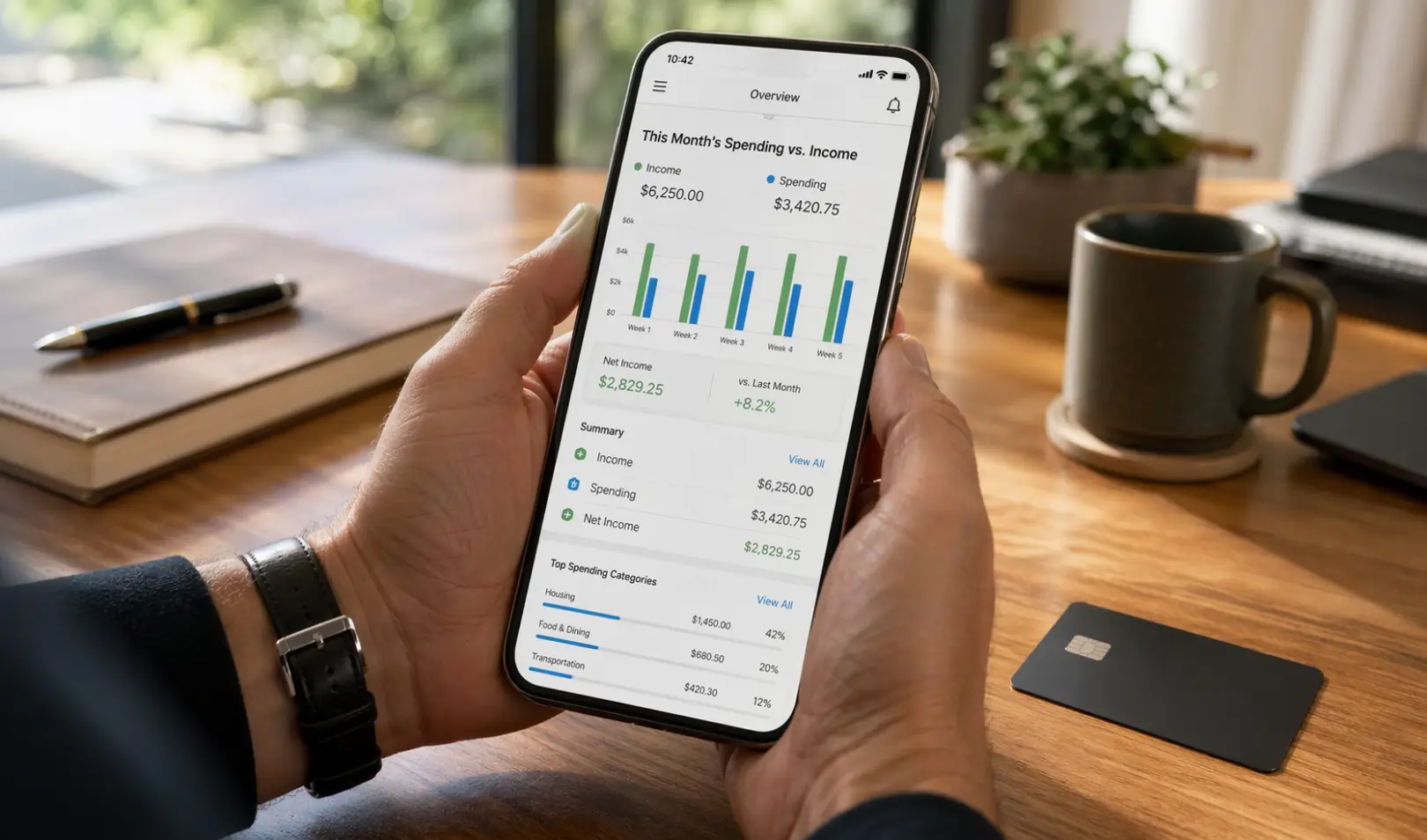
Tip: Choose one day a week for a financial review. Ten minutes a week is enough for better control over your budget.
2. Set one main financial goal
Financial goals are more effective when they are specific. Instead of having a general wish to manage money better, choose one goal that is currently most important to you.
This can be:
-
home furnishing
-
a family trip
-
education
-
the purchase of a household appliance
-
a personal reserve
-
an additional budget for business development
When a goal has a name, an amount, and a deadline, it becomes easier to adjust your everyday decisions to it.
Tip: Write your goal in one sentence. Example: “I want to set aside 500 EUR for education over five months.” This type of goal is clear, measurable, and easy to track.
3. Set aside a smaller amount immediately after receiving income
Saving money is easiest to develop when it becomes an automatic habit. Instead of waiting until the end of the month, set aside a smaller amount immediately after receiving your income.
The amount does not have to be large. It is important that it is regular and realistic. Even a smaller monthly amount creates a sense of progress over time and strengthens financial discipline.
Tip: Connect your savings to a specific purpose. When you know why you are setting money aside, it is easier to maintain the habit.
4. Plan larger purchases in advance
Larger purchases fit into the budget more easily when you plan them on time. This especially applies to technology, furniture, household appliances, travel, education, seasonal expenses, and family plans.
Before making a purchase, set a maximum amount, compare offers, and assess when the best time is to make it. This helps you make the decision more calmly and with a better overview. If you need a solution for smart allocation of funds that does not affect your current liquidity, installment loans allow you to spread the expense in line with your monthly possibilities.
Tip: For every larger purchase, create a mini-plan: amount, deadline, financing method, and priority. If the purchase supports your goal, it is easier to fit it into your budget.
5. Use the 24-hour rule for unplanned purchases
Unplanned purchases often take up part of the budget that could have been directed toward a more important goal. That is why it is useful to introduce the 24-hour rule.
If you want to buy something you did not plan, wait one day. After that, assess whether the purchase fits into your budget and brings you real value.
Tip: This rule is especially useful for online shopping, seasonal offers, and larger amounts. A decision made after one day is often more thoughtful and better aligned with your plan.
6. Separate needs, wants, and goals
One of the most useful ways to manage money better is to distinguish between needs, wants, and goals. Needs are basic expenses, wants are things that improve everyday life, and goals are plans to which you give greater value.
When you know which group a certain expense belongs to, it becomes easier to decide how much space to give it in your budget.
Tip: You do not need to remove wants from your budget. It is important that they have their own place and amount. This helps you maintain a balance between enjoyment and planning.
7. Align additional financial funds with a specific purpose
Additional financial funds can be useful when you have a clear goal and know how they will fit into your monthly plan. This may include buying a device, furnishing your home, paying for education, organizing a trip, or covering another important expense.
Global Money Express enables online applications for loans, with a simple process and the option to choose an amount according to personal needs. Before applying, it is useful to determine the exact amount, repayment period, and how it will fit into your budget.
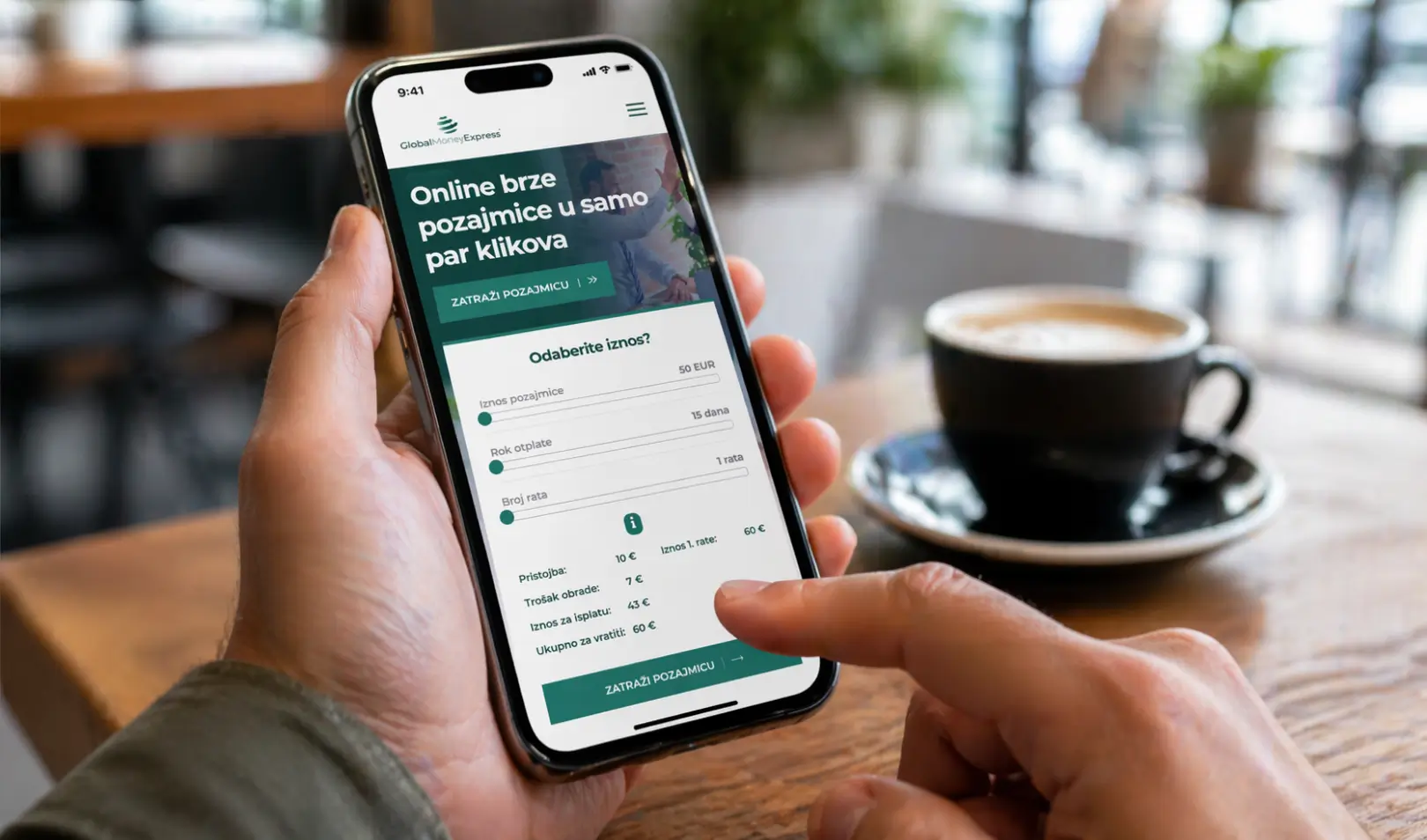
Tip: Choose an amount that matches the actual purpose. This keeps the decision clear, practical, and connected to your goal.
8. Regularly review subscriptions and recurring expenses
Subscriptions and recurring expenses often stay out of focus because they are charged automatically. However, their total amount can significantly affect your monthly budget.
Once a month, review digital services, apps, memberships, and other recurring expenses. Keep what you truly use and what brings you value.
Tip: Any amount you free up can be redirected toward a goal that is more important to you, such as savings, travel, education, or equipment.
9. Invest in knowledge and skills
Financial independence is not built only through expense control. An important part is also developing skills that can open new opportunities for income, advancement, or more independent work.
This can include a foreign language course, digital tools, sales skills, marketing, administration, design, writing, financial literacy, or other knowledge that matches your work and interests.
Tip: Set aside a smaller amount or time each month for skill development. Knowledge is one of the best ways to strengthen your personal financial position.
How do everyday decisions create greater financial security?
Greater financial security is created when small decisions are connected into a system. It is not enough only to track expenses or only to save. The best results come when you combine several habits:
-
budgeting
-
saving
-
planning purchases
-
clear goals
-
thoughtful use of additional financial solutions
This approach helps you direct money toward things that have value. This may be a better-furnished home, better work equipment, higher-quality education, travel, or greater flexibility in everyday life.
When money has a purpose, decisions become simpler. It is easier to determine what is a priority, what can wait, and what supports your personal plan.
FAQ
1. How to start building financial independence?
Start by reviewing your income and expenses. When you know where your money goes, it becomes easier to set priorities, define goals, and make better financial decisions.
2. Why is a personal budget important?
A personal budget helps you allocate money toward obligations, goals, and everyday needs. With a good budget, it is easier to track spending and plan larger expenses.
3. How to save if your monthly budget is not large?
Start with a smaller amount that you can set aside regularly. Creating a habit is more important than immediately setting aside a large amount. It is best to connect savings with a specific goal.
4. How to maintain a good financial rhythm?
It is best to review your expenses once a week, adjust your budget once a month, and regularly track progress toward your goals. This rhythm helps you use money in a planned way and with more control.
Conclusion: financial independence is built through repeated habits
Financial independence is built through small, clear, and repeatable decisions. Tracking expenses, having a realistic personal budget, saving regularly, making smarter purchases, and using additional funds responsibly can significantly improve the way you manage money.
The best start is to choose one goal and one habit you can apply this month. When small decisions are repeated, they create a more stable financial rhythm and more room for plans that matter to you.
Global Money Express urgent loans can be a useful support when you need an additional amount for a clearly defined purpose, with a simple online application and the option to choose a solution according to your personal needs.