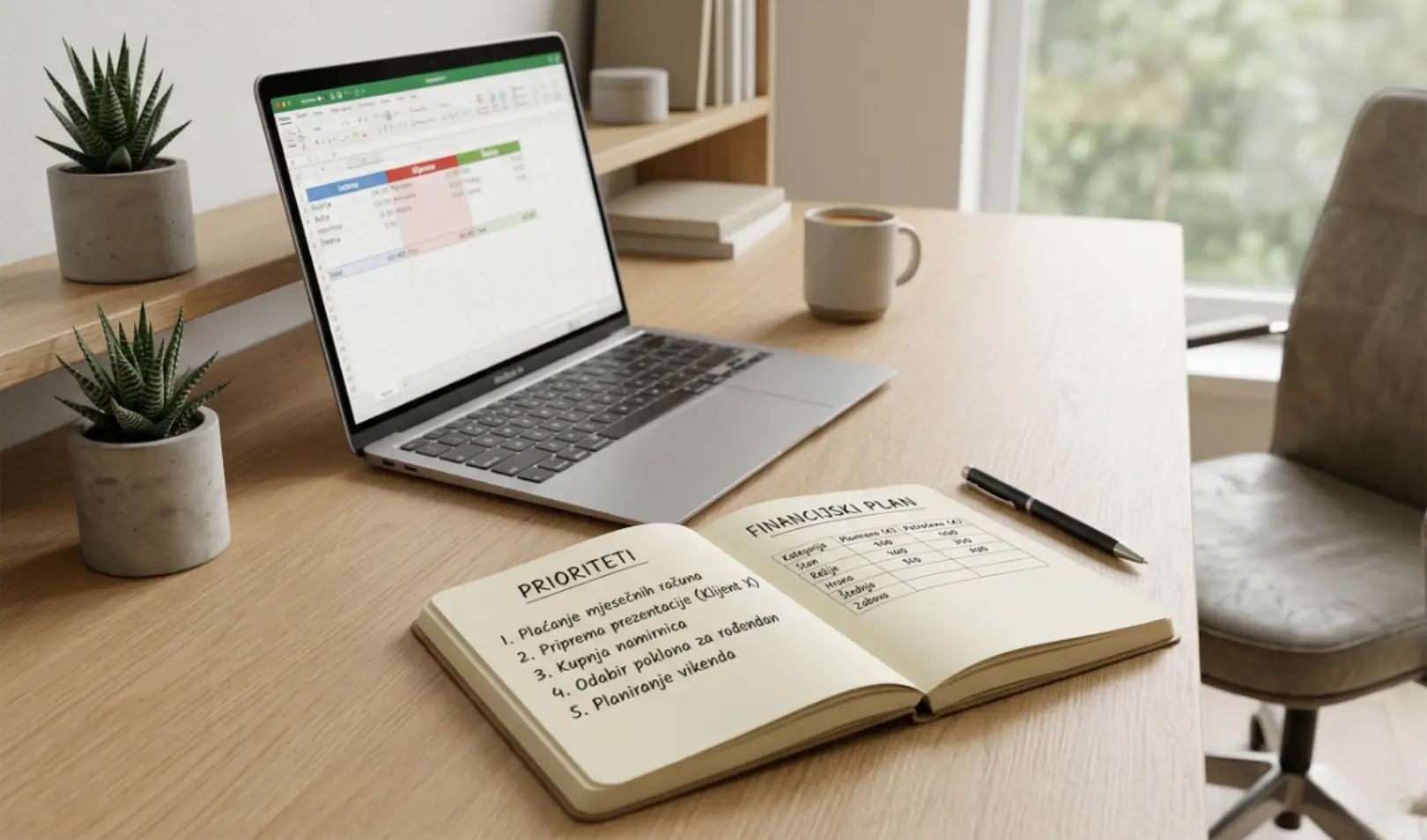
How does impulse buying affect your budget - tips for saving?
07.04.2026.
How does impulse buying affect your budget - tips for saving?
Impulse buying often starts quite innocently. One product that seemed like a good deal, another item that “might come in handy”, and then one more order because of an attractive offer. Although the individual amounts may not seem large, such decisions over the course of a month can significantly affect budget organization and leave less room for planned expenses.
That is exactly why it is useful to recognize in time how impulse buying affects everyday financial habits. It is not about denying yourself something, but about making purchases thoughtfully, in line with priorities, and fitting them into a personal spending plan. When there is a better overview of spending, it becomes easier to separate what is truly important to you from decisions made in the moment.
What is impulse buying and why does it so easily become part of everyday life?
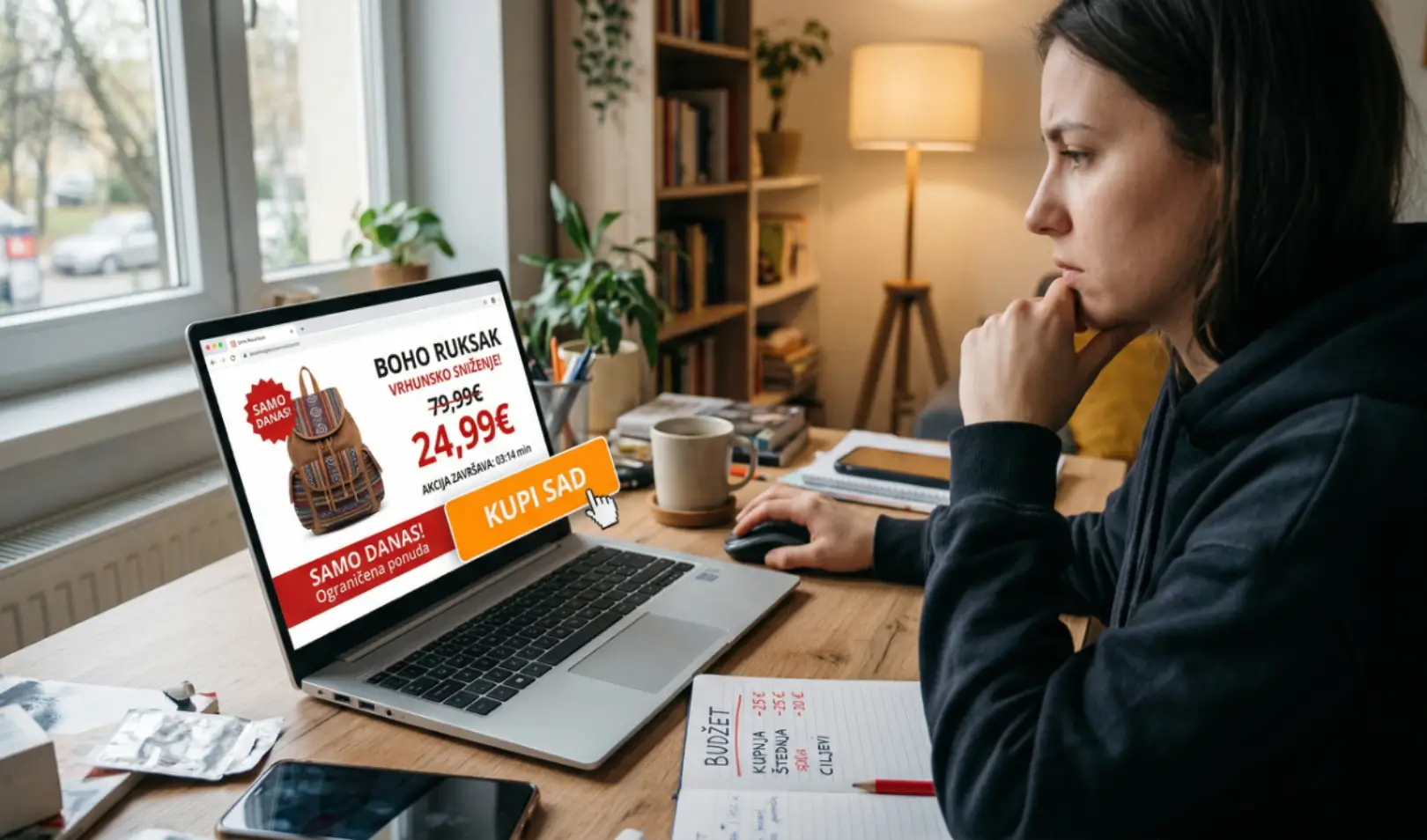
Impulse buying is a purchase decision made in the moment, without a prior plan and without a clear assessment of whether that expense fits into the budget. It most often happens when something looks attractive because of the price, a special offer, the feeling that the opportunity is limited, or because the product seems like something that will immediately bring more comfort or satisfaction into everyday life.
Such purchases are especially common in online shopping, during seasonal sales, holiday periods, or when offers and social media are frequently browsed. That is exactly why impulse buying is not rare, but rather a part of everyday life that many people can relate to.
The most common triggers of impulse buying can be:
-
attractive promotions and limited offers
-
the feeling that something should be taken advantage of immediately
-
buying out of habit while browsing online shops
-
striking photos and promotional campaigns
-
small products that seem like “a minor expense” but easily add up
How does impulse buying affect your budget?
The biggest impact of impulse buying on a budget is often not in one large decision, but in a series of smaller purchases that repeat throughout the month. That is exactly why the budget is not affected all at once, but gradually, almost unnoticed. Only when all the smaller amounts are added up does it become clear how much room is being taken up by expenses that were not planned.
This dynamic can make it harder to organize monthly expenses because it leaves less room for things that were planned in advance. For example, when several smaller spontaneous purchases happen within the same month, it becomes more difficult to allocate funds for bills, household expenses, travel, equipment, seasonal needs, or planned purchases.
Impulse buying most often affects the budget by:
-
reducing visibility over actual spending
-
making it harder to plan larger expenses
-
creating the impression that “money disappears” through small amounts
-
shifting the focus from priorities to short-term decisions
-
leaving less room for goals that were planned in advance
How to recognize the difference between planned and impulse buying?
One of the best ways to gain better control over your budget is to learn how to distinguish a planned purchase from one made in the moment. A planned purchase usually has its purpose, its place in the budget, and a clear assessment of its value. Impulse buying most often happens without prior consideration and is more connected to an immediate impression than to a specific plan.
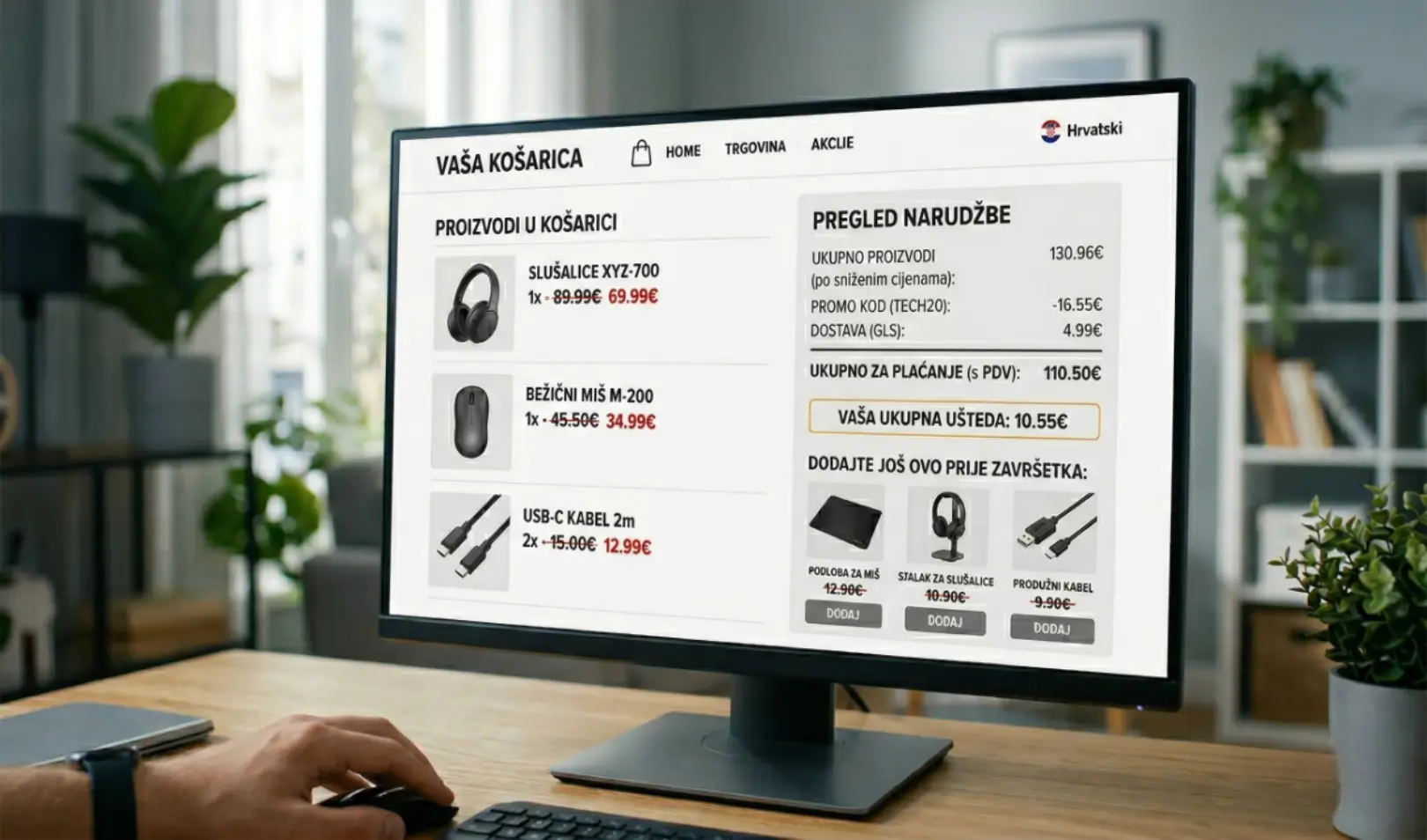
Before every purchase, it is useful to pause and ask yourself a few simple questions:
-
Did I plan this purchase in advance?
-
Do I need this product now, or do I just want to take advantage of it while it is available?
-
Does this amount fit into my monthly budget?
-
Would I still buy this in a few days?
-
Does this purchase meet a real need, or was the decision made in the moment?
This brief check is often enough to make the decision clearer and more thoughtful.
Saving tips that help with impulse buying
The good news is that impulse buying can be kept under control more easily with a few simple habits. They do not require major changes, but they can make a big difference when applied consistently.
1. Make a list before shopping
Whether you are shopping online or in a store, a list helps you stay focused on what you really need. When you know in advance what you are looking for, there is less chance that you will add products that were not part of the plan.
2. Introduce a waiting rule
For purchases that are not urgent, it is useful to wait at least one day. Even 24 hours can help you assess whether it is a real need or a decision that only seemed appealing in that moment.
3. Set a monthly amount for spontaneous purchases
Not every spontaneous purchase has to be excluded from the budget. It is much more practical to determine in advance an approximate amount for small pleasures and unplanned little items. This way, you keep flexibility while still maintaining control.
4. Track small amounts
Small purchases often go “under the radar” the most. That is exactly why it is useful to write down smaller expenses for a few weeks. It quickly becomes visible how often small decisions together make up a significant part of the budget.
5. Break the habit of shopping out of boredom
Browsing stores and online shops without a specific goal often leads to spontaneous spending. When you want better control over your budget, it is useful to connect shopping with a need and a plan, rather than with a free moment.
6. Focus on the priorities of the month
If you know in advance what is important to you during the current month, it becomes easier to assess whether a purchase fits into that plan. A priority may be home improvement, travel, work equipment, family expenses, or another specific need.
Small changes that can bring great results
When it comes to budget organization, the most helpful habits are those that are easy to maintain. There is no need to change everything at once. It is enough to introduce a few smaller steps that create more order and a better overview.
For example, it can be useful to:
-
make a short list of priorities before shopping online
-
check once a week where a smaller part of the budget has gone
-
set a budget in advance for buying clothes, accessories, or small items for the home
-
choose higher-quality products when they have longer-term value
-
think about a purchase in terms of usefulness and durability, not just immediate impression